Cardiology

Cardiology screening in Quihà

From January 22 to 30, 2026, at the DayAfterDay center in Quihà, a total of 114 patients were examined and underwent echocardiographic evaluation, including 40 children aged between 1 and…
A rather special mission

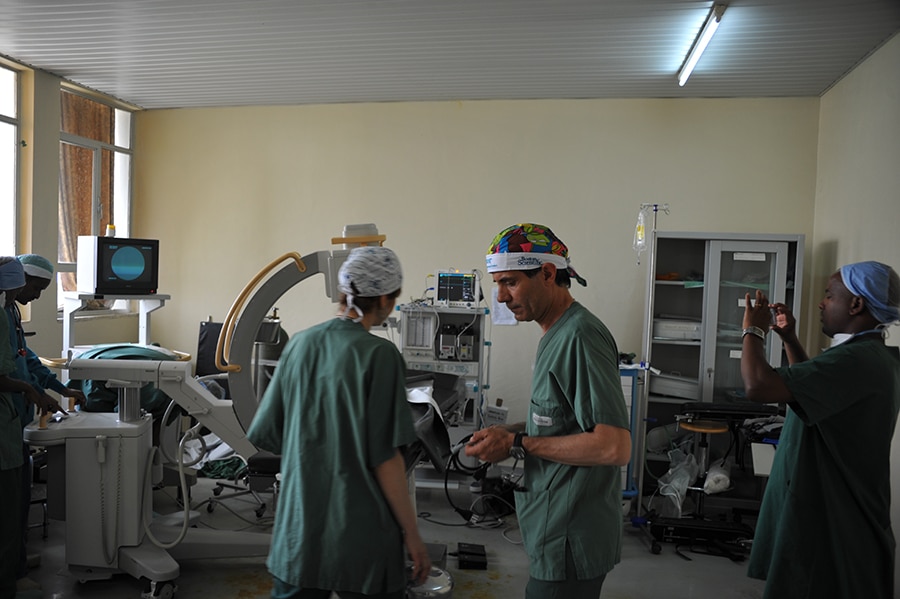
Our September mission was a little special. We set off to check on the condition of heart patients who have undergone surgery and are living thanks to our support of…

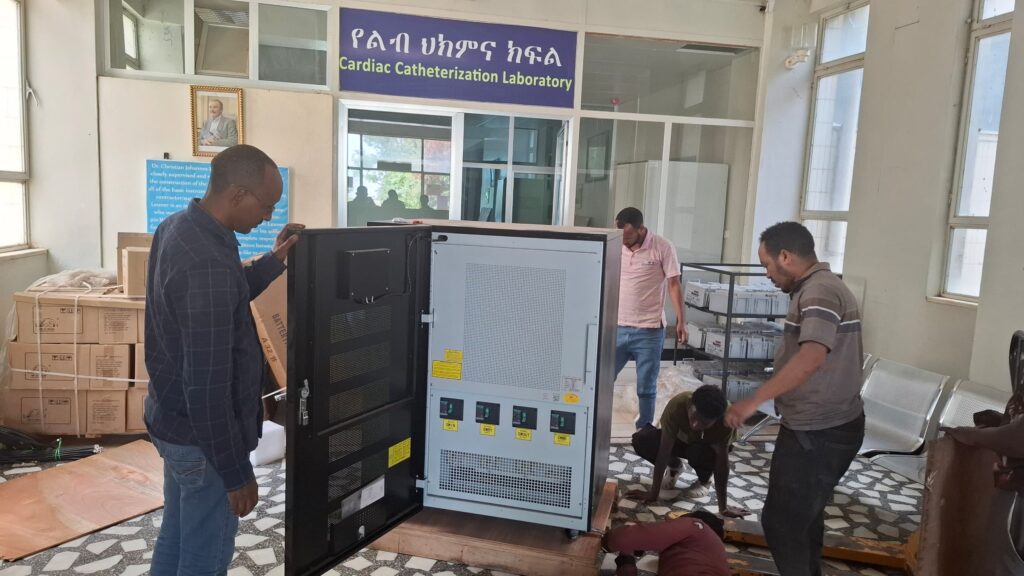
A New Generator for the Hemodynamics Unit in Mekelle

Following the civil war in the Tigray region, the Ayder University Hospital in Mekelle suffered severe damage, resulting in the destruction of medical equipment—some of which was ripped out and…

Cardiology Screening in Schools in Tanzania

In March this year we returned on a mission to Tanzania to screen school children to pediatric and cardiology for rheumatic disease. Rheumatic disease, manifested through rheumatic carditis, is one…

Medicines for our heart patients

A new shipment of life-saving medicines for our heart patients has arrived in Ethiopia. The medicines arrived in Addis Ababa and were taken in charge by Desta and Shegu, our…

On mission to implant pacemaker

Cardiology in Ethiopia has evolved tremendously over the past 20 years, especially in the state of Tigray where doctors and nurses have been trained by partnering with an externally organized…

Pacemaker a life-saving device

At a time when Ayder Hospital in Mekelle is not functioning due to war damage that has knocked out most of the equipment

We are finally come back in Ethiopia

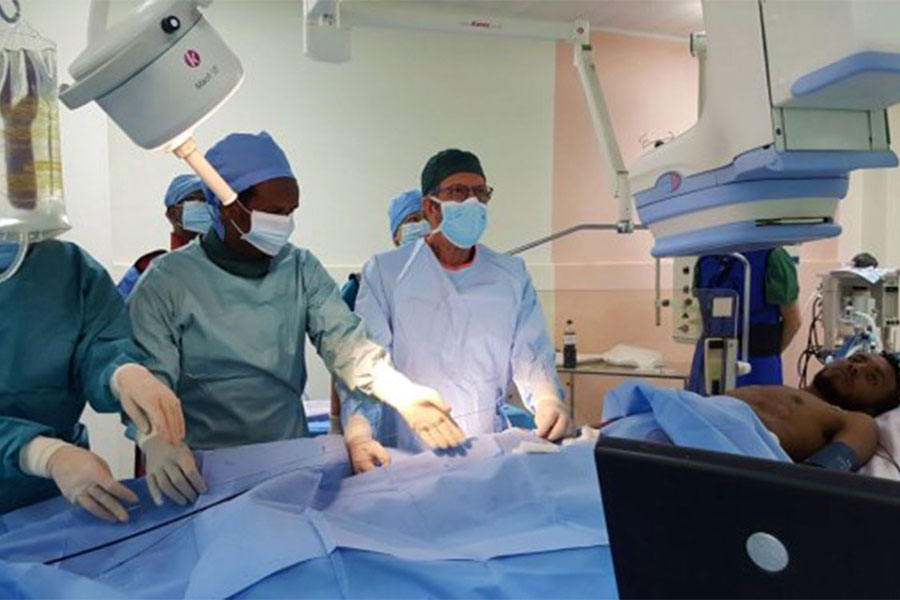
After more than two years of stop due to the pandemic situation and the war we came back for a short but important mission to Ethiopia in Addis Ababa from 25 to 28 March.

Our mission in Tanzania

From 29 March to 12 April we were on mission at the Consolata Hospital in Ikonda, Tanzania, 2050 metres of altitude in the Ukinga mountains on the border with Malawi.…

Mission to Ethiopia – November 2017

Last November we organized a new mission in Ethiopia to perform interventional cardiology procedures. This kind of treatment as well as other similar tertiary level health care procedures are almost non-existent in this area of the country.